
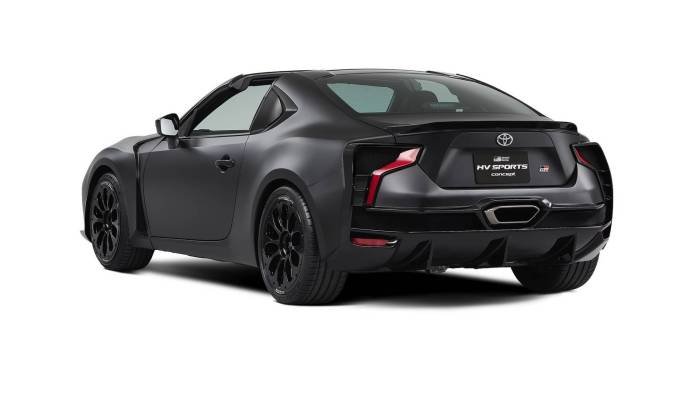
The Toyota GR86, a rear-wheel-drive sports coupe, offers exhilarating performance in ideal conditions. However, its inherent characteristics present unique challenges when faced with winter’s icy grip and snowy landscapes. This comprehensive guide delves into the GR86’s performance in winter driving conditions, offering insights into its strengths, weaknesses, and crucial considerations for safe and enjoyable winter driving.
Understanding the GR86’s Winter Driving Challenges
The GR86’s rear-wheel-drive (RWD) layout, lightweight design, and powerful engine, while contributing to its thrilling summer performance, become significant factors influencing its winter capabilities. RWD vehicles are inherently more susceptible to loss of traction in slippery conditions compared to their all-wheel-drive (AWD) or front-wheel-drive (FWD) counterparts. The GR86’s low weight, while beneficial for agility, can make it more easily affected by snow and ice.
The potent engine, if not managed carefully, can easily overwhelm the available traction.
Rear-Wheel Drive Dynamics in Winter
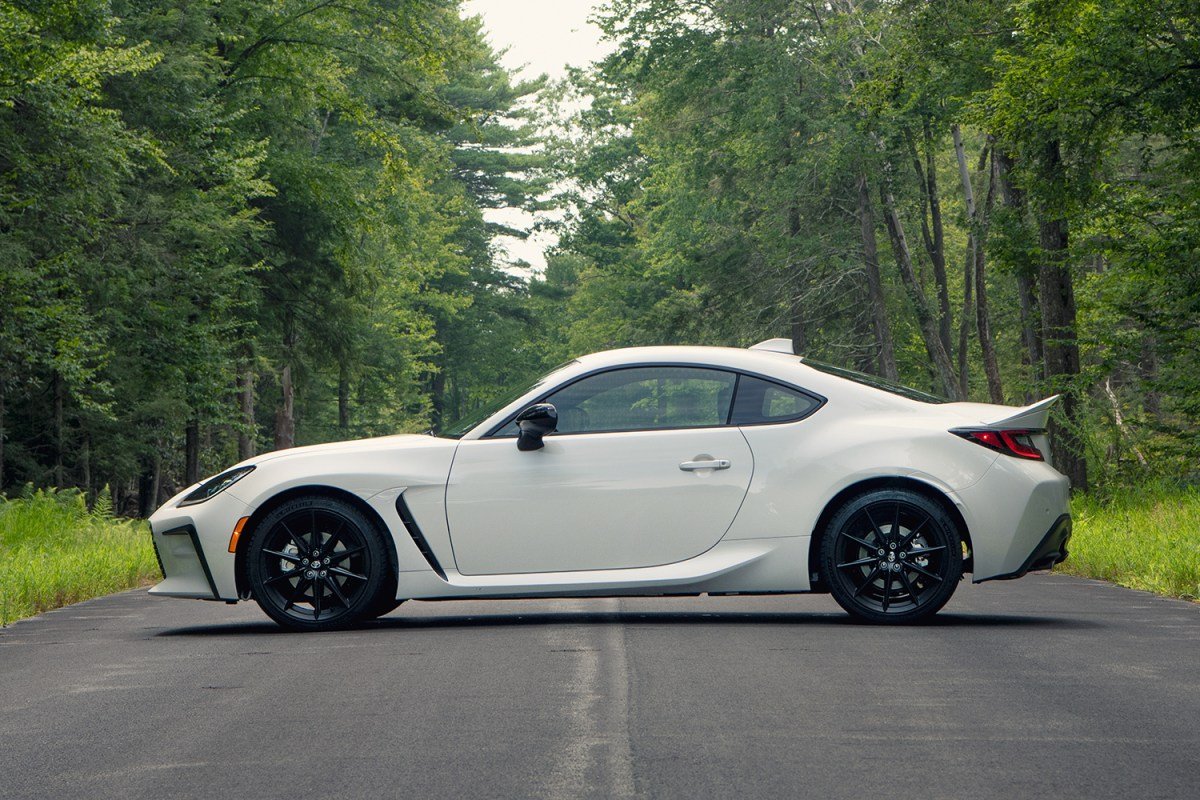
In snowy or icy conditions, the rear wheels, being the driving wheels in an RWD car, are more prone to losing traction. This can lead to oversteer, where the rear of the car slides out, requiring precise control and experience to manage. This is exacerbated by the GR86’s naturally playful handling characteristics, which, while exhilarating in summer, require significant adjustment and caution in winter.
Source: insidehook.com
Impact of Weight and Power
The GR86’s relatively light weight, while advantageous for fuel efficiency and handling, means it has less mass pressing down on the tires, reducing grip on slick surfaces. The powerful engine can easily overcome the available traction, leading to wheel spin and loss of control, especially during acceleration or uphill climbs. This requires a gentler driving style and a keen awareness of traction limits.
Optimizing GR86 for Winter Driving
While the GR86 presents challenges in winter, proper preparation and driving techniques can significantly improve safety and control. Several modifications and strategies can enhance its winter performance.
Winter Tires: The Crucial Upgrade
Investing in a set of high-quality winter tires is paramount. Winter tires, with their specialized tread patterns and rubber compounds, offer significantly improved grip on snow and ice compared to all-season or summer tires. The difference in traction is dramatic, making winter driving safer and more predictable. Consider studded tires if you frequently encounter extreme icy conditions. Tire Rack’s Winter Tire Technology Guide provides excellent information on choosing the right winter tires.
Adjusting Driving Techniques
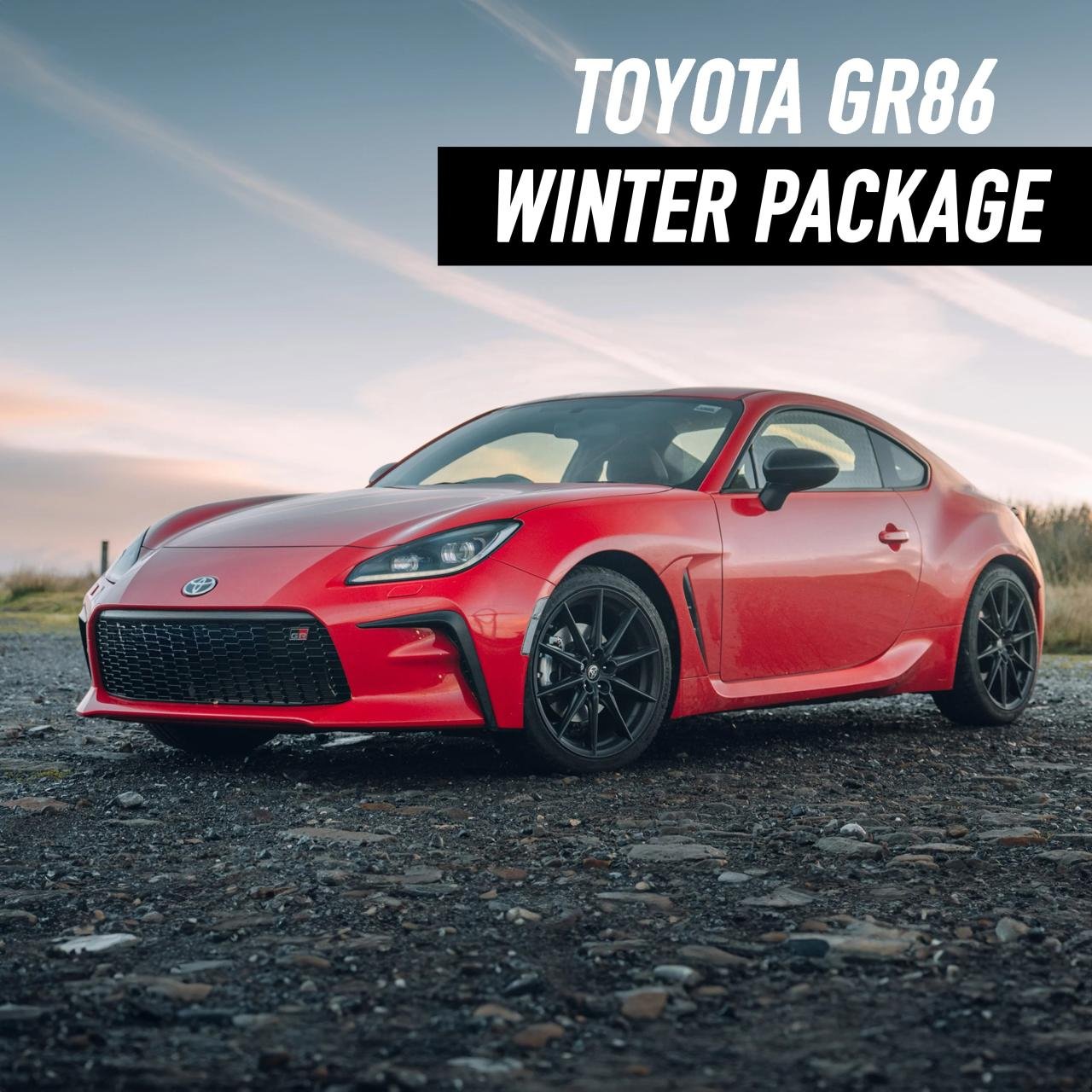
Smooth and controlled inputs are crucial. Avoid sudden acceleration, braking, or steering maneuvers. Gentle acceleration and progressive braking are essential to maintain traction and control. Anticipate your actions and plan your maneuvers well in advance, giving yourself ample time to react to changing road conditions. Mastering techniques like controlled throttle application and trail braking can significantly improve your control in slippery situations.
Source: t1motorsports.ca
Utilizing Available Technology
The GR86 may include features like traction control (TCS) and electronic stability control (ESC). These systems can help mitigate loss of traction by reducing engine power or applying brakes to individual wheels. While these systems are helpful, they are not a substitute for careful driving. Understanding their limitations and how they function is crucial.
Essential Winter Driving Gear and Preparations
Beyond vehicle modifications, proper preparation is essential for safe winter driving.
- Emergency Kit: Include a first-aid kit, blankets, jumper cables, flashlight, shovel, ice scraper, and extra warm clothing.
- Charged Phone: Ensure your phone is fully charged and consider a portable charger.
- Inform Someone of Your Route: Let someone know your planned route and expected arrival time.
- Check Weather Forecasts: Monitor weather conditions before and during your journey and adjust your plans accordingly.
Frequently Asked Questions (FAQ)
- Q: Is the GR86 suitable for winter driving? A: With proper preparation, including winter tires and careful driving techniques, the GR86 can be driven safely in winter, but it requires more skill and caution compared to AWD vehicles.
- Q: Are all-wheel-drive conversions possible for the GR86? A: While not factory-supported, some aftermarket companies offer AWD conversions, but these are complex, expensive, and may affect the car’s handling characteristics.
- Q: What is the best way to handle oversteer in a GR86 during winter? A: Steer into the skid (opposite direction of the slide), smoothly release the accelerator, and avoid sudden braking or steering corrections. Practice in a safe, controlled environment.
- Q: Should I use studded tires on my GR86? A: Studded tires offer superior grip on ice but may cause increased wear on the road surface and are often restricted or prohibited in certain areas. Consider local regulations before using studded tires.
- Q: How does the GR86’s limited slip differential (LSD) affect winter performance? A: The LSD helps improve traction by distributing power more effectively to the wheel with better grip. However, it doesn’t eliminate the need for winter tires and careful driving techniques.
Conclusion
The Toyota GR86’s rear-wheel-drive nature presents unique challenges in winter driving. However, with careful preparation, including the use of winter tires, and the adoption of safe driving practices, the GR86 can be enjoyed even in challenging winter conditions. Remember, safety is paramount. Prioritize careful driving and adapt your driving style to match the conditions. Always be prepared for the unexpected.
Call to Action
Ready to conquer winter’s challenges with your GR86? Share your winter driving tips and experiences in the comments below! Let’s build a community of GR86 enthusiasts ready to tackle any weather.
FAQ Resource
What winter tires are recommended for the GR86?
High-performance winter tires with a good reputation for ice and snow traction are recommended. Consult a tire professional for specific recommendations based on your location and driving habits.
Does the GR86 have any winter driving aids?
The availability of driver aids like traction control and stability control varies by model year and trim level. Check your owner’s manual to determine what features are equipped on your specific vehicle.
How does the GR86’s lightweight design affect its winter performance?
Source: autoevolution.com
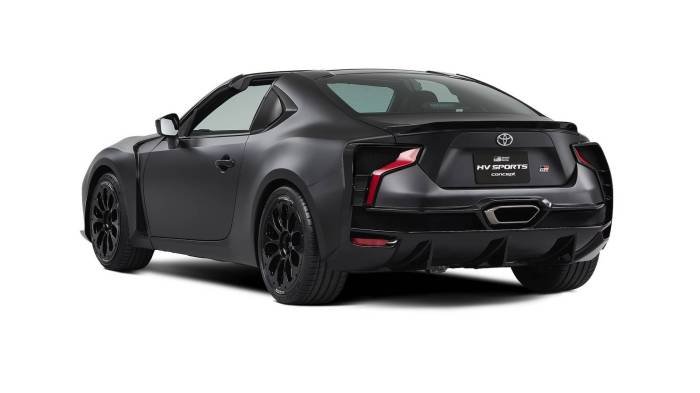
The lightweight design can make the GR86 more susceptible to sliding on slick surfaces. Careful throttle control and precise steering are crucial to maintain stability.
Is it safe to drive a GR86 in heavy snow?
Driving a GR86 in heavy snow is generally not recommended unless equipped with appropriate winter tires and the driver possesses significant experience in winter driving conditions. Consider alternative transportation options when snow accumulation is significant.