
The Toyota GR86, a driver’s car par excellence, offers exhilarating performance right out of the box. However, many enthusiasts seek to personalize and enhance their GR86’s capabilities with aftermarket parts. Importing these parts can unlock a wider selection and potentially better prices, but it requires careful planning and execution. This comprehensive guide will walk you through the entire process, from identifying reputable suppliers to navigating customs and import regulations.
Understanding Aftermarket Parts for the Toyota GR86
The term “aftermarket parts” refers to any component not manufactured or supplied by Toyota directly. This encompasses a vast range of items, including:
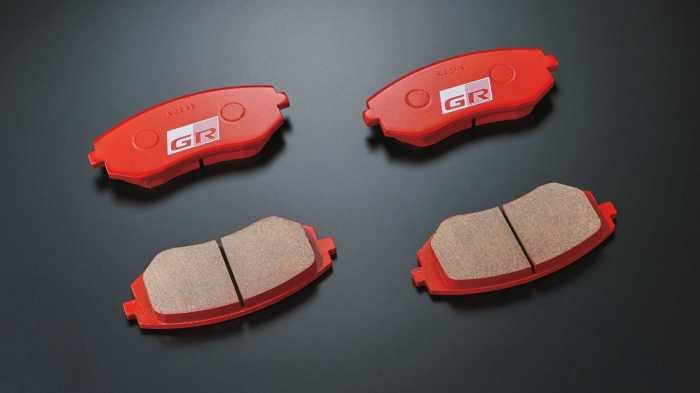
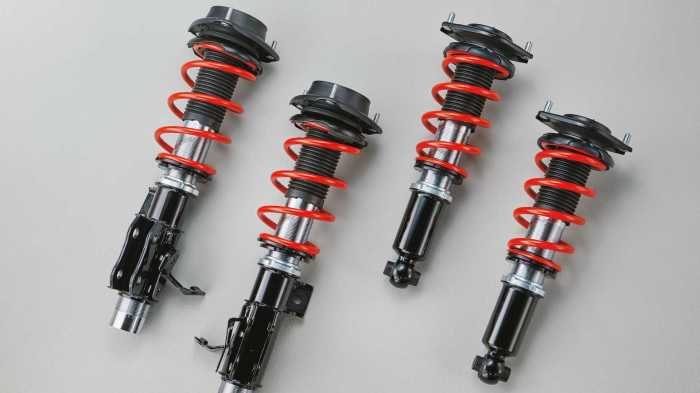
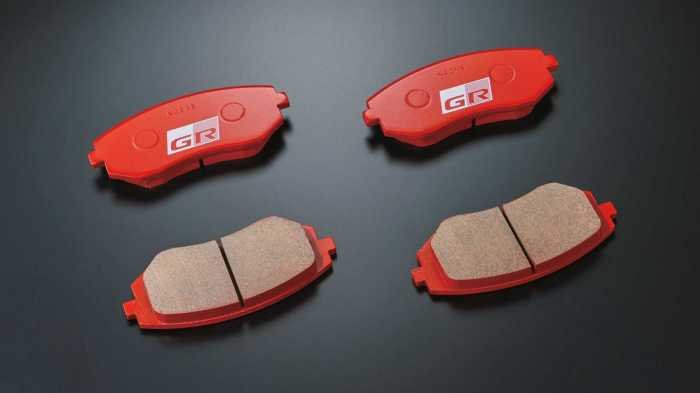
- Performance Upgrades: Exhaust systems, intakes, turbochargers (for forced induction modifications), suspension components (coilovers, springs, sway bars), and performance brakes.
- Aesthetic Modifications: Body kits, spoilers, wheels, lighting upgrades (headlights, taillights), and interior trim.
- Functional Enhancements: Improved oil coolers, upgraded clutches, short-throw shifters, and lightweight components.
- Electronics and Tuning: ECU tuning, performance gauges, and data loggers.
Before you begin your import journey, it’s crucial to research and understand the specific parts you need. Consider factors like compatibility with your GR86’s model year and trim level, as well as the potential impact on your vehicle’s warranty. Some modifications might void certain warranty aspects.
Finding Reputable Suppliers of Aftermarket GR86 Parts
Locating reliable international suppliers is paramount. Avoid purchasing from unknown or poorly reviewed vendors. Here are some avenues to explore:
- Online Marketplaces: Sites like eBay, Amazon, and specialized automotive parts marketplaces often list international sellers. Thoroughly check seller ratings and reviews before making a purchase.
- Directly from Manufacturers: Some manufacturers sell directly to consumers, offering a higher degree of assurance regarding product authenticity and quality.
- Specialized GR86 Forums and Communities: Online forums dedicated to the GR86 often have threads discussing reputable parts suppliers and sharing experiences with various products. This is an excellent resource for firsthand accounts.
- International Tuning Shops: Many reputable tuning shops worldwide specialize in modifying sports cars like the GR86. They often have websites showcasing the parts they offer and can provide expert advice.
Always confirm the supplier’s return policy and shipping options before ordering. Check for detailed product descriptions, specifications, and high-quality images to ensure you’re getting what you expect.
Source: carscoops.com
Navigating Import Regulations and Customs
Importing parts into your country involves navigating customs regulations and potential import duties and taxes. These vary significantly depending on your location. Key factors to consider include:
- Harmonized System (HS) Codes: Each part will have an HS code, which classifies it for customs purposes. This code determines the applicable duties and taxes.
- Import Duties and Taxes: You’ll likely be responsible for paying import duties (taxes on the value of the goods) and potentially value-added tax (VAT) or similar consumption taxes.
- Customs Declarations: Accurate and complete customs declarations are essential to avoid delays or penalties. You’ll need to provide details about the parts, their value, and their origin.
- Compliance with Safety and Emission Standards: Ensure the parts comply with all relevant safety and emission standards in your country. Non-compliant parts might be seized or require costly modifications.
- Shipping and Brokerage Fees: Factor in shipping costs, insurance, and potential brokerage fees (if you use a customs broker).
It’s highly recommended to consult your country’s customs agency website for detailed information on import regulations. Consider using a customs broker to streamline the process and ensure compliance.
Shipping Your Aftermarket Parts
Several shipping options exist, each with its pros and cons:
- Air Freight: Faster but more expensive. Suitable for smaller, high-value parts.
- Sea Freight: Slower but more economical for larger or heavier shipments.
- Courier Services (e.g., FedEx, DHL, UPS): Offer tracking and relatively fast delivery, but can be more expensive than sea freight.
Choose the shipping method that best balances speed and cost, considering the size, weight, and value of your parts. Ensure the shipment is adequately insured to protect against damage or loss during transit.
Installation and Potential Warranty Implications
Once your parts arrive, carefully inspect them for any damage. If you’re not mechanically inclined, consider having a professional mechanic install the parts. Improper installation can lead to performance issues or even damage to your vehicle.
Remember that installing aftermarket parts might void certain aspects of your vehicle’s warranty. Consult your vehicle’s warranty documentation and potentially your Toyota dealership to understand the implications before proceeding with modifications.
Frequently Asked Questions (FAQ)
- Q: Are there any restrictions on importing car parts? A: Yes, import regulations vary by country and may involve restrictions on certain types of parts, especially those related to safety or emissions. Always check with your local customs authority.
- Q: How do I determine the correct HS code for my parts? A: You can usually find the HS code on the supplier’s website or by searching online databases provided by your country’s customs agency.
- Q: What happens if my parts are seized by customs? A: If your parts are seized, you’ll likely need to resolve any compliance issues with customs before they are released. This may involve paying fines or making modifications to the parts.
- Q: How can I minimize import costs? A: Choosing economical shipping methods, declaring the correct value (avoiding undervaluation, which is illegal), and potentially taking advantage of any free trade agreements between your country and the supplier’s country can help.
- Q: Where can I find trustworthy reviews of aftermarket GR86 parts? A: GR86 enthusiast forums and online communities are great resources for finding user reviews and recommendations.
Conclusion
Importing aftermarket parts for your Toyota GR86 can be a rewarding experience, allowing you to personalize and enhance your vehicle. However, thorough research, careful planning, and adherence to import regulations are crucial for a smooth and successful process. By following the steps Artikeld in this guide, you can confidently navigate the world of aftermarket parts and unlock the full potential of your GR86.
Call to Action
Ready to start upgrading your Toyota GR86? Begin your research today by exploring reputable online marketplaces and connecting with the GR86 community! Remember to always prioritize safety and compliance with local regulations.
FAQ
What are the potential import costs beyond the part price?
Expect shipping fees, customs duties, brokerage fees, and potentially VAT (Value Added Tax) depending on your location and the value of the goods.
How long does the import process typically take?
Shipping times vary depending on origin and destination, typically ranging from a few weeks to several months. Customs processing adds further time.
Are there any parts I should avoid importing?
Source: carscoops.com
Avoid parts that don’t meet safety standards in your region or those lacking proper documentation. Always prioritize quality and safety.
What if my imported parts are damaged during shipping?
Thoroughly inspect packages upon arrival. Document any damage with photos and contact the shipper and supplier immediately to initiate a claim.