
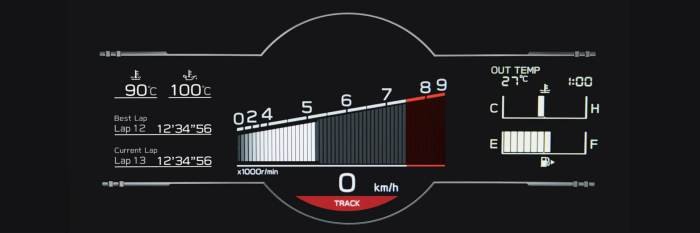
Taking your Toyota GR86 to the track is an exhilarating experience, but proper preparation is crucial for a safe and enjoyable day. This comprehensive checklist covers everything from pre-track inspections to post-track maintenance, ensuring your GR86 performs optimally and you have a fantastic time on the circuit. We’ll delve into details, providing you with a step-by-step guide to maximize your track day experience.
Pre-Track Inspection & Preparation: Ensuring Your GR86 is Track-Ready
Before even thinking about hitting the track, a thorough pre-track inspection is paramount. This isn’t just a quick visual check; it’s a meticulous examination of your car’s critical systems.
Essential Checks Before You Leave:
- Fluid Levels: Check engine oil, coolant, brake fluid, power steering fluid, and windshield washer fluid. Top off as needed, ensuring you use the correct fluids specified in your owner’s manual. Low fluid levels can lead to overheating, brake failure, or other serious issues on the track.
- Tire Pressure: Inflate tires to the recommended track pressure, which is generally higher than street pressure. Consult your tire manufacturer’s recommendations or your track day organizer for the optimal pressure. Proper tire pressure is vital for grip and handling.
- Tire Tread Depth & Condition: Inspect your tires for wear, cuts, or bulges. Worn or damaged tires significantly compromise safety and performance on the track. Consider using dedicated track tires for optimal grip.
- Brake System: Test your brakes thoroughly before leaving. Check for responsiveness, sponginess, or any unusual noises. Worn brake pads or a faulty brake system are extremely dangerous on a track.
- Suspension & Steering: Inspect suspension components for any damage or leaks. Check the steering for play or looseness. A well-maintained suspension is critical for handling and stability.
- Lights & Signals: Ensure all lights (headlights, taillights, brake lights, turn signals) are functioning correctly. This is crucial for safety on the track.
- Battery: Check your battery terminals for corrosion and ensure the battery is fully charged. A weak battery can leave you stranded.
- Cooling System: Ensure your radiator is clean and free of debris. A clean radiator helps prevent overheating, especially during intense track sessions.
- Exhaust System: Inspect for leaks or damage. A compromised exhaust system can lead to performance loss and safety hazards.
Packing for Your Track Day: The Essentials
Packing the right gear is as important as prepping your car. Here’s a checklist to ensure you’re fully equipped:
Must-Have Items:
- Helmet: A Snell-approved or FIA-approved helmet is mandatory at most track days. Your safety is paramount.
- Driving Gloves: These provide better grip and protect your hands.
- Driving Shoes: Firm-soled shoes with good ankle support are essential for safe and effective driving.
- Fire Extinguisher: A properly rated fire extinguisher is a must-have safety item.
- First-Aid Kit: Be prepared for minor injuries.
- Water & Snacks: Staying hydrated and energized is crucial throughout the day.
- Sun Protection: Sunscreen, sunglasses, and a hat are essential, especially on sunny days.
- Communication Device: A radio or other communication device can be helpful for communicating with other drivers or track officials.
- Tools & Spare Parts: Consider bringing basic tools and some spare parts, such as fuses, belts, or hose clamps, depending on your comfort level.
- Track Day Documentation: Ensure you have all necessary documentation, including your registration, waivers, and insurance information.
On-Track Performance & Driving Techniques
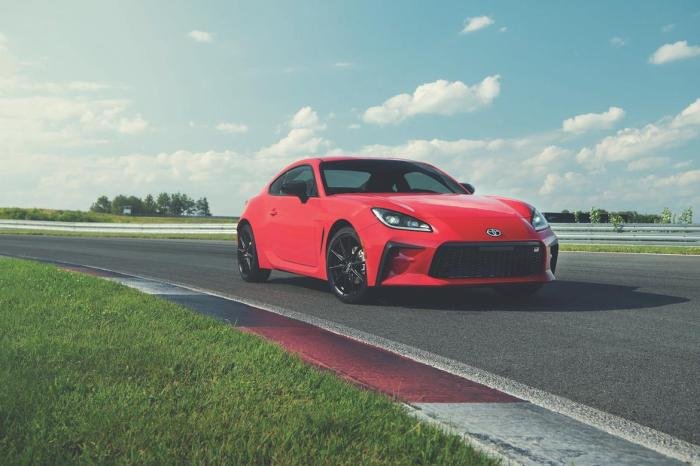
Once you’re on the track, remember that smooth, controlled driving is key. Avoid abrupt movements and focus on consistent driving lines. Remember to respect other drivers and track officials.
Source: amazonaws.com
Tips for Optimal Track Performance:
- Smooth Inputs: Avoid jerky steering, braking, and acceleration. Smooth inputs are crucial for maintaining control and maximizing performance.
- Proper Line Selection: Learn the track layout and find the optimal racing line to minimize braking and maximize speed.
- Controlled Braking: Apply brakes progressively and avoid locking up the wheels. Proper braking technique is essential for safety and performance.
- Smooth Acceleration: Gradually increase throttle input to avoid wheelspin and maintain traction.
- Weight Transfer: Understand how weight transfer affects the car’s handling and use it to your advantage.
- Awareness of Surroundings: Always be aware of other cars on the track and maintain a safe following distance.
Post-Track Maintenance: Caring for Your GR86
After a hard day on the track, your GR86 deserves some TLC. Proper post-track maintenance is crucial for prolonging its lifespan and ensuring its continued performance.
Source: mattaki.com
Post-Track Checklist:
- Cool Down Laps: Allow the engine to cool down gradually before shutting it off. This prevents damage from overheating.
- Fluid Checks: Re-check all fluid levels and top off as needed.
- Brake Inspection: Inspect brake pads for wear and tear. Track driving can wear down brake pads much faster than street driving.
- Tire Pressure: Check and adjust tire pressure back to street pressure.
- Visual Inspection: Inspect the car for any damage, such as scratches, dents, or loose components.
- Wash & Clean: Thoroughly wash and clean the car to remove brake dust, dirt, and debris.
- Engine Bay Cleaning: Clean the engine bay to remove any accumulated dirt or debris.
Frequently Asked Questions (FAQs)
- Q: What type of tires are best for track days? A: Dedicated track tires offer superior grip and performance compared to street tires. However, street-legal track tires offer a good balance of performance and street usability.
- Q: Do I need a roll cage for track days? A: While not always mandatory, a roll cage significantly enhances safety in case of an accident. Check with your track day organizer for specific requirements.
- Q: How often should I change my brake pads after a track day? A: This depends on the intensity of the track day and the type of brake pads used. Inspect your brake pads after each track day and replace them when necessary.
- Q: What is the best way to prepare my GR86 for a track day? A: A comprehensive pre-track inspection, proper fluid levels, correct tire pressure, and a thorough understanding of track driving techniques are crucial.
- Q: What should I do if my car overheats on the track? A: Immediately pull off the track to a safe location and allow the engine to cool down. Do not attempt to drive the car while it is overheating.
Conclusion
Preparing your Toyota GR86 for a track day involves meticulous attention to detail. By following this comprehensive checklist, you can significantly increase your chances of having a safe, enjoyable, and high-performance track experience. Remember to always prioritize safety and respect the track environment. Happy driving!
Call to Action (CTA)
Ready to unleash the full potential of your Toyota GR86 on the track? Book your track day experience today and put your preparation to the test! [Link to Track Day Booking Website]
Query Resolution
What type of driving shoes are recommended for a track day?
Closed-toe shoes with good ankle support, ideally racing shoes or similar footwear designed for firm pedal control, are recommended.
Should I bring a passenger?
Track days often have restrictions on passenger numbers. Check the specific track’s rules before bringing a passenger.
What should I do if I experience a mechanical issue on the track?
Immediately signal for help using your hazard lights and safely pull over to the designated area. Contact track officials for assistance.
How often should I check my tire pressure before and during a track day?
Check tire pressure before you leave for the track and again before each session. Tire pressure increases with heat, so re-check frequently.